Tools Every Home Mechanic Should Own: Your Essential Garage Arsenal
- robertkubinski
- Apr 17, 2025
- 2 min read
Venturing into the world of DIY car maintenance can be incredibly rewarding, saving you money and giving you a deeper understanding of your vehicle. However, tackling even basic tasks requires the right tools. Building a comprehensive home mechanic toolkit doesn't happen overnight, but starting with the essentials will empower you to handle a wide range of repairs and maintenance in your own garage. This guide will walk you through the must-have tools for any aspiring home mechanic.
The Foundational Hand Tools: Essential Tools for Basic Repairs
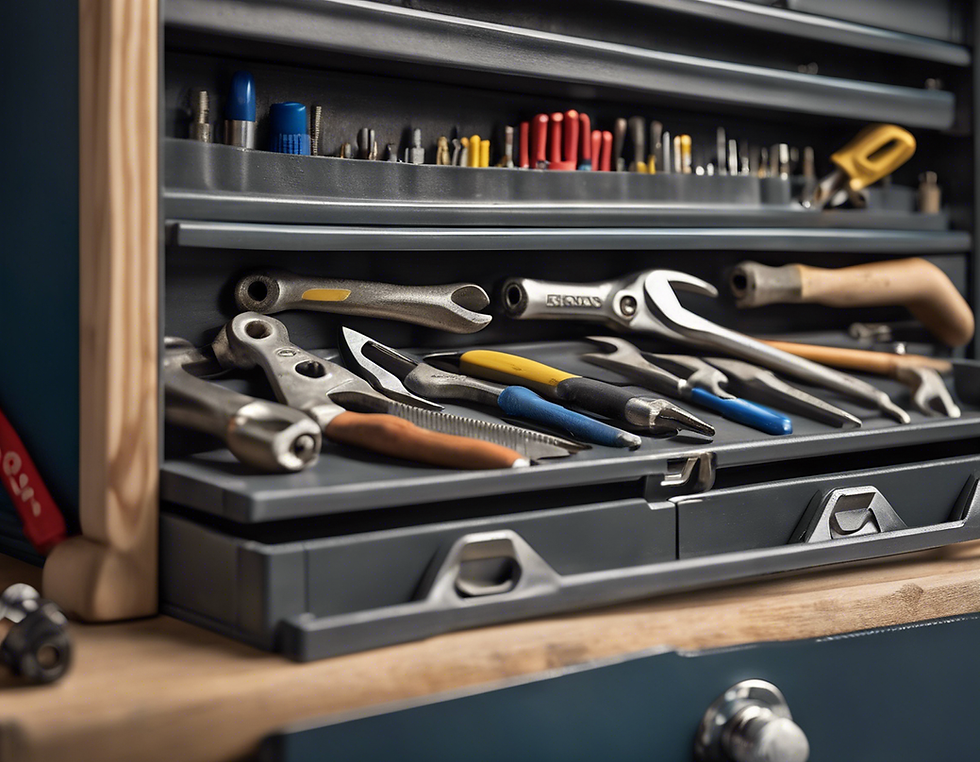
No home mechanic's arsenal is complete without a solid set of hand tools. These are the workhorses of any automotive repair. At the very least, you should invest in a quality socket set with both metric and SAE (standard) sizes, covering a range of drive sizes (1/4", 3/8", and potentially 1/2" for larger jobs). Accompanying the socket set, a good set of wrenches in both open-end and box-end configurations, again in metric and SAE, is crucial for tightening and loosening various fasteners. Don't underestimate the importance of a reliable set of screwdrivers – both Phillips and flathead in various sizes – and a sturdy pair of pliers, including slip-joint, needle-nose, and potentially locking pliers like Vise-Grips. These foundational hand tools will allow you to tackle most basic automotive tasks, from removing panels to tightening hoses.
Essential Diagnostic and Specialty Tools for Home Mechanics
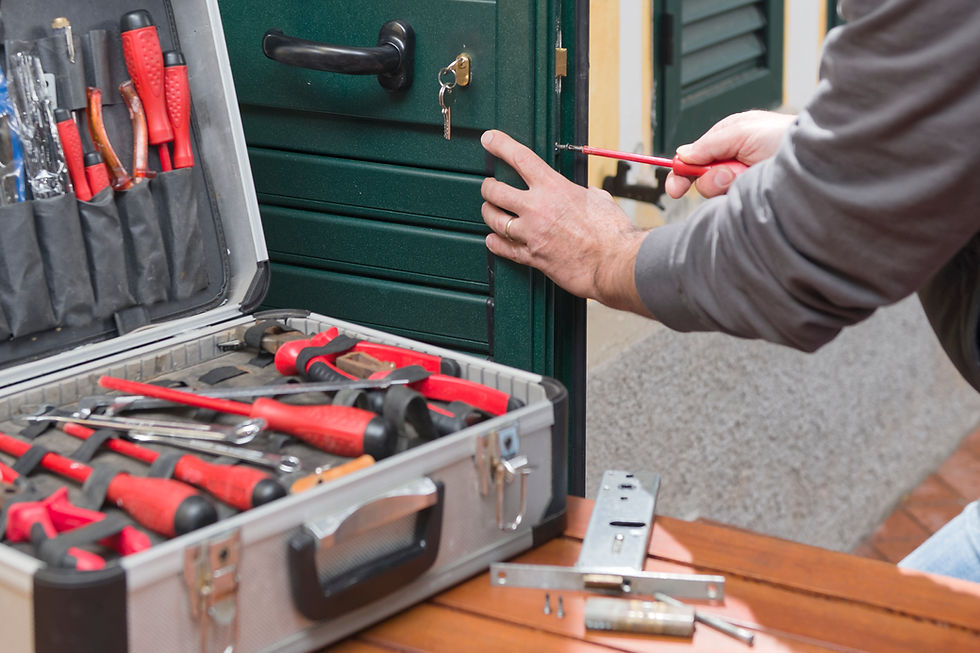
Moving beyond the basics, specific diagnostic and specialty tools will significantly expand your capabilities. An OBD-II scanner is an invaluable tool for modern vehicles, allowing you to read and clear diagnostic trouble codes and providing insights into potential issues. A quality multimeter is essential for diagnosing electrical problems and checking voltage, current, and resistance. A reliable car jack and sturdy jack stands are critical for safety when doing tasks like changing tires or working on suspension components. While not used for every job, a torque wrench is a worthwhile investment to ensure fasteners are tightened to the manufacturer's specifications, preventing damage and ensuring safety, especially on critical components like wheels and brakes.
Safety First and Finishing Touches: Essential Tools for a Safe Workspace

Beyond the tools used directly for repairs, prioritizing safety is paramount. A good pair of safety glasses is non-negotiable to protect your eyes from debris and chemicals. Work gloves protect your hands from grease, sharp edges, and chemicals. Additionally, having a well-stocked supply of shop towels is essential for keeping your workspace clean. A creeper or mechanic's seat can make working under the car much more comfortable. Finally, a good work light is crucial for illuminating the areas you're working on, ensuring you can see clearly and work safely.
Conclusion
Building your home mechanic toolkit is an ongoing process. You'll naturally identify the need for more specialized tools as you tackle more complex jobs. However, starting with these foundational hand tools, essential diagnostic equipment, and crucial safety gear will provide a solid base for your DIY automotive adventures. Remember to invest in quality tools that will last, and always prioritize safety in your garage.

Comments